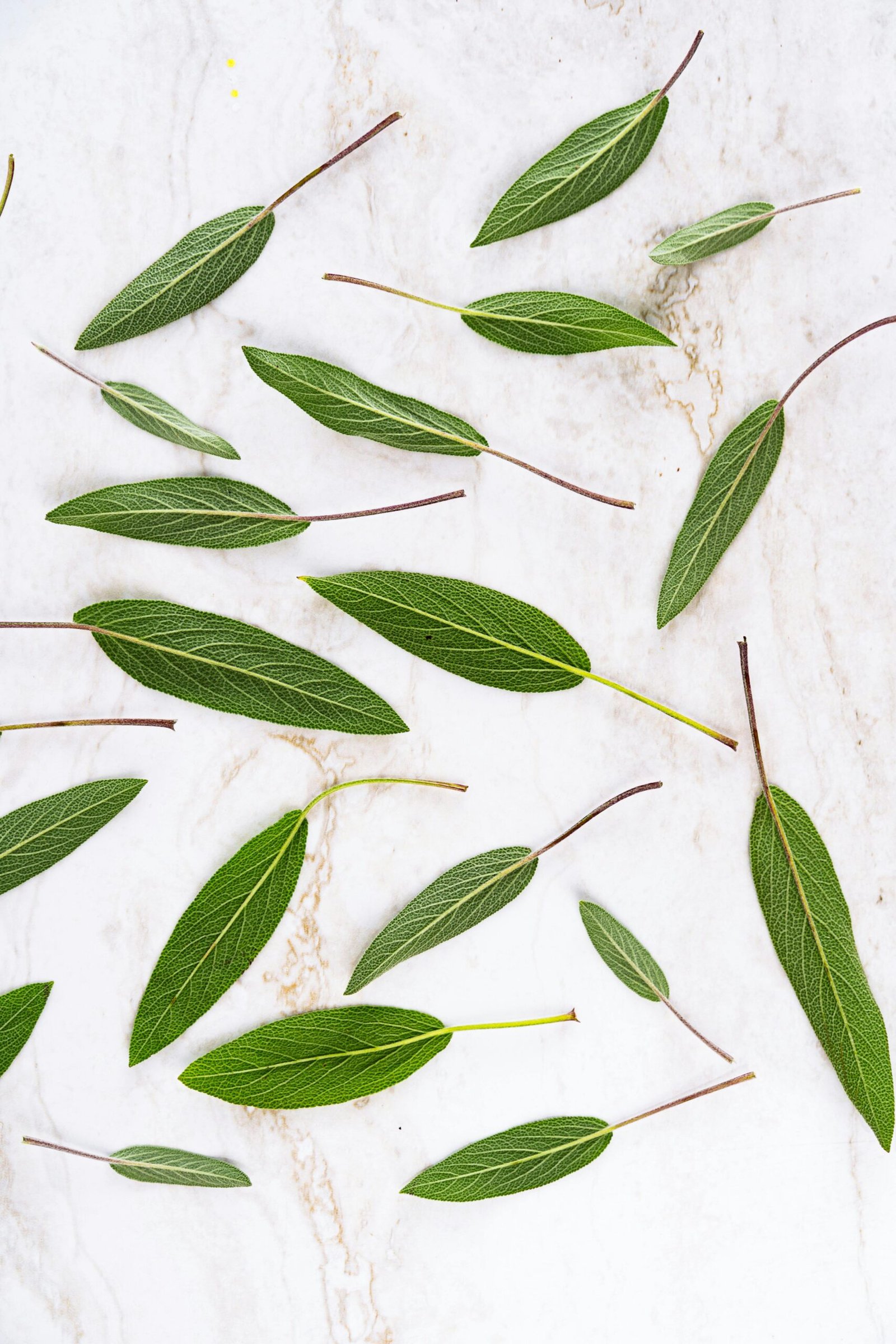
Achieve a Brighter Smile with Sage
A bright smile can boost your confidence and leave a lasting impression. While many people turn to commercial products for teeth whitening, natural remedies like sage offer a promising alternative. In this article, we’ll explore how sage can help whiten teeth, its additional oral health benefits, and the best ways to use it. Additionally, we’ll discuss precautions and other natural alternatives. By the end, you’ll have a complete understanding of how to incorporate sage into your oral care routine effectively.
Understanding Sage and Its Oral Health Benefits
Sage, scientifically known as Salvia officinalis, is a herb celebrated for its medicinal properties. Beyond its culinary uses, sage has long been recognized for its ability to improve oral health.
Natural Whitening Properties
Sage leaves contain natural whitening agents that effectively remove stains from teeth. Over time, these compounds help brighten your smile without relying on harsh chemicals. According to experts, using sage consistently can lead to visible improvements in tooth color.
Antibacterial Effects
The essential oils in sage possess antibacterial properties that help combat harmful bacteria in the mouth. As a result, they contribute to better oral hygiene and fresher breath. Research suggests that incorporating sage-based treatments into your routine may help prevent bacterial buildup.
Gum Health Support
Sage contains tannins, which have astringent properties. These compounds help tighten gum tissues and reduce inflammation, making sage beneficial for individuals dealing with gum-related issues. Many people use sage to soothe irritated gums and promote overall oral health.
How to Use Sage for Teeth Whitening
Incorporating sage into your oral care routine is easy and can be done in several ways:
Direct Application
Rubbing fresh sage leaves directly on your teeth can help remove surface stains. However, it’s important to be gentle because excessive scrubbing may harm your enamel over time. For best results, use this method in moderation.
Sage Tea Mouthwash
Making a sage tea mouthwash is another excellent way to improve oral health. To prepare, steep two tablespoons of dried or fresh sage leaves in boiling water. After allowing the tea to cool, swish it in your mouth for about 30 seconds before spitting it out. Using this rinse regularly can help reduce bacteria and promote gum health.
Homemade Sage Tooth Powder
You can also create a natural tooth powder using dried sage leaves. First, grind the leaves into a fine powder and mix them with a small amount of salt. Then, use this herbal mixture to brush your teeth gently. Many people find this method effective for removing plaque and keeping their teeth clean.
Precautions and Considerations
While sage offers several oral health benefits, it’s essential to use it responsibly:
- Protect Your Enamel: Sage contains minerals that can be abrasive. If used excessively, they may wear down your enamel, leading to sensitivity and a higher risk of cavities.
- Ensure Cleanliness: Unprocessed sage leaves might introduce bacteria into your mouth. To avoid this, always clean the leaves thoroughly before use.
- Consult a Professional: If you have existing dental conditions, consult a dentist before adding sage to your oral care routine.
Exploring Other Natural Teeth Whitening Alternatives
If you’re interested in additional natural whitening methods, consider these alternatives:
- Baking Soda: Due to its mild abrasive properties, baking soda helps remove surface stains from teeth.
- Hydrogen Peroxide: This natural bleaching agent can whiten teeth, but it should be used cautiously to prevent gum irritation.
- Oil Pulling: Swishing coconut oil in your mouth may reduce bacteria, leading to a cleaner and brighter smile.
Although these methods offer benefits, they should always complement, rather than replace, regular dental care practices.
Sage is a fantastic natural option for improving your smile and overall oral health. Its whitening properties, antibacterial effects, and ability to support gum health make it a valuable addition to any oral care routine. However, it’s crucial to use sage carefully, ensuring that you don’t overuse it or cause damage to your enamel.
Are you ready to try sage for a brighter smile? Start by incorporating a simple sage tea mouthwash into your daily routine. With consistency and moderation, you may soon notice a positive difference in your oral health!