Pranayama: The Art of Breath Control for a Healthier Life
Breathing is something we do unconsciously, yet it has a profound impact on our physical, mental, and emotional well-being. However, pranayama, the ancient yogic practice of breath control, offers a powerful way to harness this energy for better health and relaxation. By consciously regulating our breathing, we can improve lung function, reduce stress, and enhance mental clarity. In this article, we will explore what pranayama is, its benefits, different techniques, and how to incorporate it into your daily routine.
What is Pranayama?
Pranayama is a Sanskrit term derived from two words: prana (life force) and ayama (expansion or control). Essentially, it refers to the practice of controlling the breath to regulate energy within the body. In yogic tradition, the breath is considered a bridge between the body and mind, influencing both physical health and emotional stability.
The Science Behind Pranayama
Scientific studies show that pranayama positively affects the autonomic nervous system, helping to reduce stress and promote relaxation. Moreover, regular practice can improve oxygen exchange, enhance lung capacity, and lower blood pressure. It also stimulates the vagus nerve, which is responsible for calming the nervous system and reducing anxiety.
Types of Pranayama and Their Benefits
There are several types of pranayama, each with unique benefits. Therefore, let’s take a closer look at some of the most popular techniques:
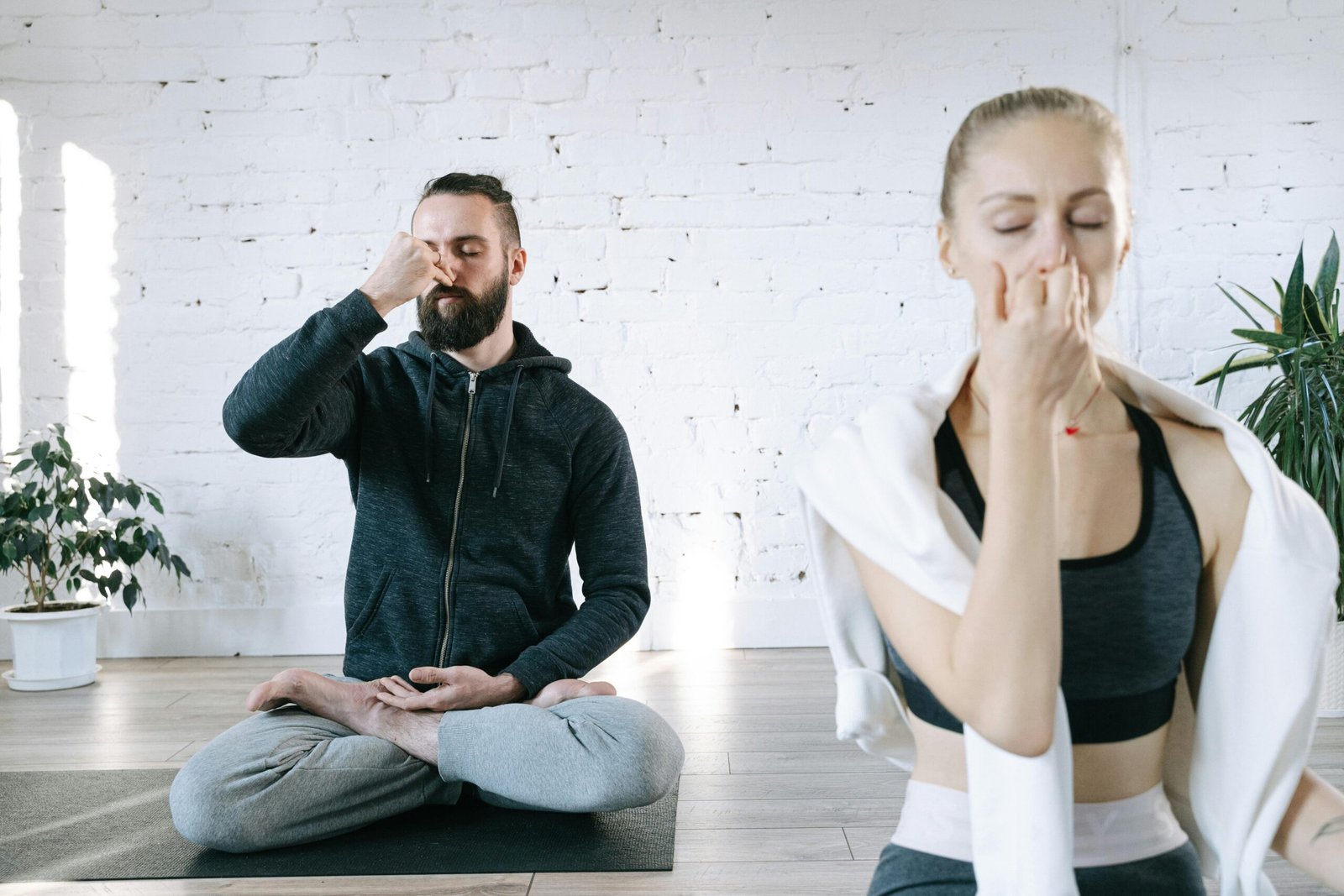
1. Nadi Shodhana (Alternate Nostril Breathing)
- Benefits: Balances the left and right hemispheres of the brain, improves focus, and reduces anxiety.
- How to Do It:
- First, sit in a comfortable position.
- Next, close your right nostril with your thumb and inhale through your left nostril.
- Then, close your left nostril with your ring finger and exhale through your right nostril.
- Finally, repeat the cycle for 5-10 minutes.
2. Bhramari (Bee Breath)
- Benefits: Soothes the nervous system, reduces anger, and helps with insomnia.
- How to Do It:
- First, inhale deeply through the nose.
- Then, exhale while making a humming sound like a bee.
- Repeat 5-10 times.
3. Kapalabhati (Skull Shining Breath)
- Benefits: Detoxifies the lungs, boosts metabolism, and increases energy.
- How to Do It:
- Sit upright and take a deep breath in.
- Next, forcefully exhale through the nose, contracting your abdominal muscles.
- Allow passive inhalation and repeat the cycle rapidly.
- Do 20-30 rounds per session.
4. Ujjayi (Victorious Breath)
- Benefits: Increases lung capacity, reduces stress, and enhances concentration.
- How to Do It:
- First, inhale deeply through the nose while slightly constricting the throat.
- Then, exhale slowly through the nose with an audible whispering sound.
- Practice for 5-10 minutes.
5. Sheetali (Cooling Breath)
- Benefits: Lowers body temperature, reduces hypertension, and calms the mind.
- How to Do It:
- Roll your tongue into a tube and inhale through it.
- Then, close your mouth and exhale through your nose.
- Repeat 10-15 times.
Health Benefits of Pranayama
Pranayama is more than just a breathing exercise; in fact, it offers numerous health benefits:
- Reduces Stress and Anxiety: Slows down the heart rate and activates the parasympathetic nervous system.
- Improves Lung Function: Enhances respiratory efficiency and supports lung health.
- Boosts Immunity: Increases oxygen supply, helping the body fight infections.
- Enhances Mental Clarity: Improves focus, memory, and cognitive function.
- Regulates Blood Pressure: Helps lower high blood pressure and promotes cardiovascular health.
- Aids in Better Sleep: Encourages relaxation and reduces insomnia symptoms.
- Promotes Detoxification: Removes toxins from the body through deep exhalation.
How to Practice Pranayama Safely
While pranayama is beneficial, practicing it correctly is essential. Therefore, here are some safety tips:
- Practice on an Empty Stomach: Do it in the morning or at least 2-3 hours after a meal.
- Choose a Quiet Place: A peaceful environment enhances concentration.
- Maintain Proper Posture: Sit with a straight spine to allow full lung expansion.
- Start Slow: If you’re a beginner, begin with a few minutes and gradually increase the duration.
- Avoid Overexertion: If you feel dizzy or lightheaded, stop and return to normal breathing.
- Consult a Professional: If you have respiratory issues, high blood pressure, or other medical conditions, seek guidance from a qualified instructor.
How to Incorporate Pranayama into Your Daily Life
Making pranayama a part of your routine is easy. Therefore, try these simple steps:
- Morning Practice: Start your day with 10 minutes of pranayama for a fresh and energized morning.
- During Stressful Moments: Use Nadi Shodhana to calm your mind in stressful situations.
- Before Sleep: Practice Bhramari to relax your nervous system and improve sleep quality.
- Combine with Yoga: Incorporate pranayama into your yoga practice for better results.
- Use Reminders: Set an alarm or add it to your daily schedule to stay consistent.
Pranayama is a simple yet powerful practice that can transform your health and well-being. By dedicating a few minutes each day to breath control, you can experience reduced stress, improved lung function, and enhanced mental clarity. Whether you are a beginner or an advanced practitioner, pranayama offers benefits that can be enjoyed at any stage of life.
Start your pranayama journey today! Begin with a basic breathing exercise and, before long, notice the positive changes in your life. Furthermore, share your experience with others and encourage them to embrace this ancient practice for better health and mindfulness.